Guides6 min read

How to Stage an Empty House to Sell: 7 Proven Strategies

Step-by-step guide to staging vacant properties. Learn 7 proven strategies to make empty houses sell faster, from virtual staging to strategic furniture placement.

PropScene Team

PropScene Team

Share:
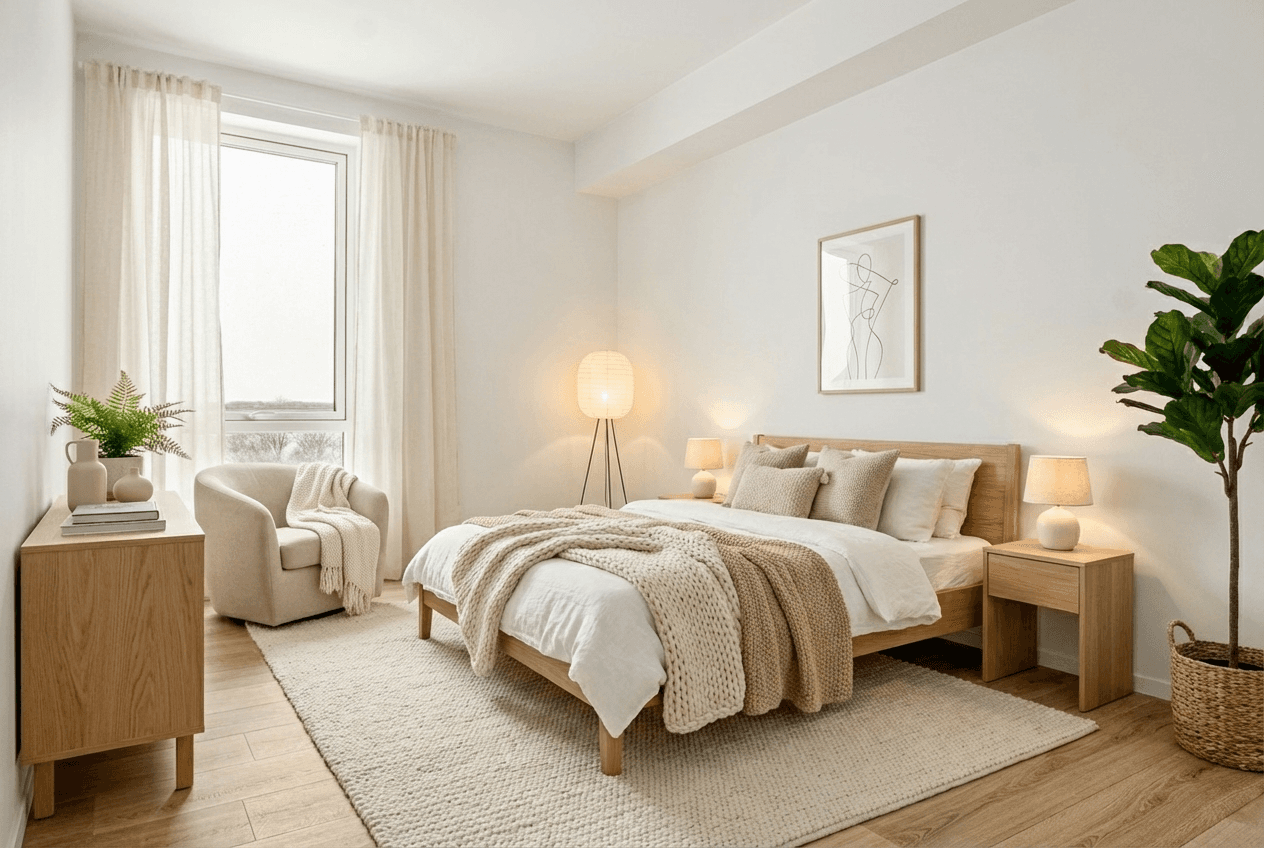
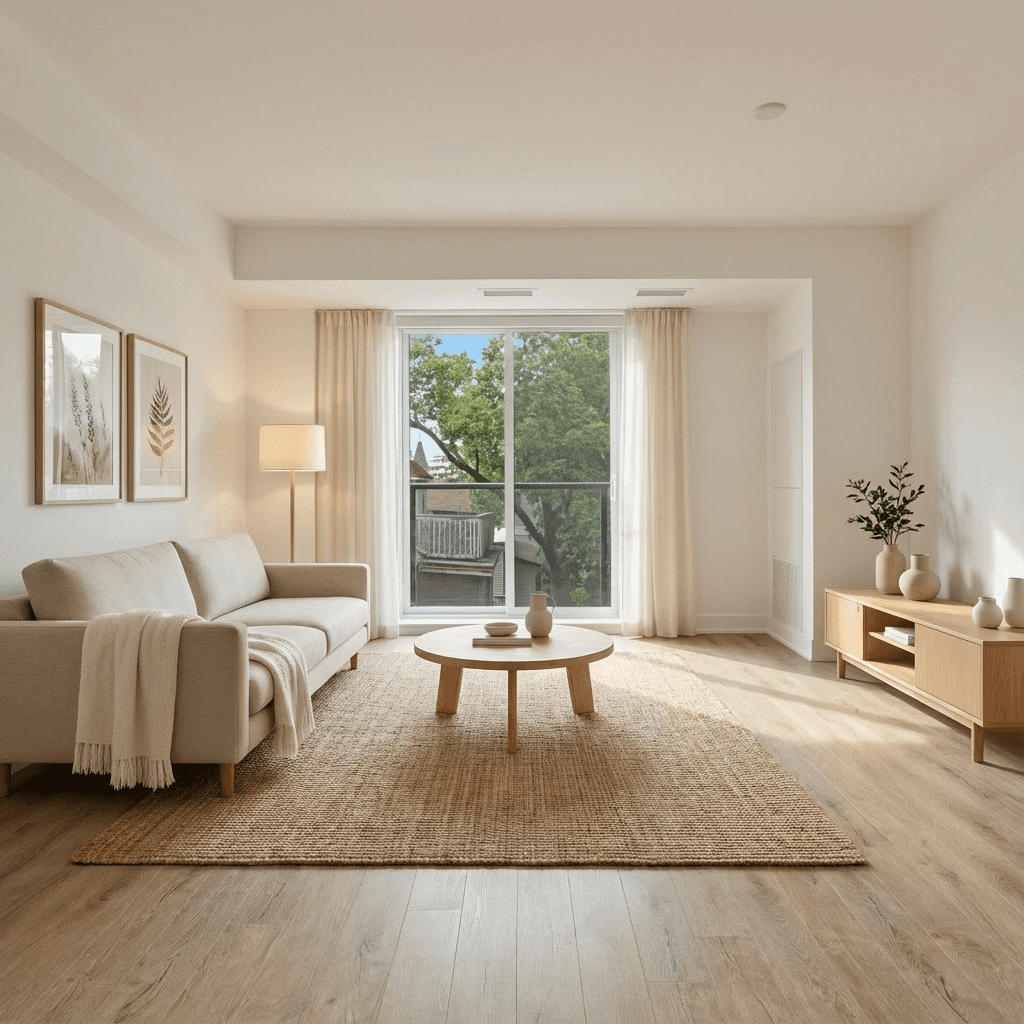
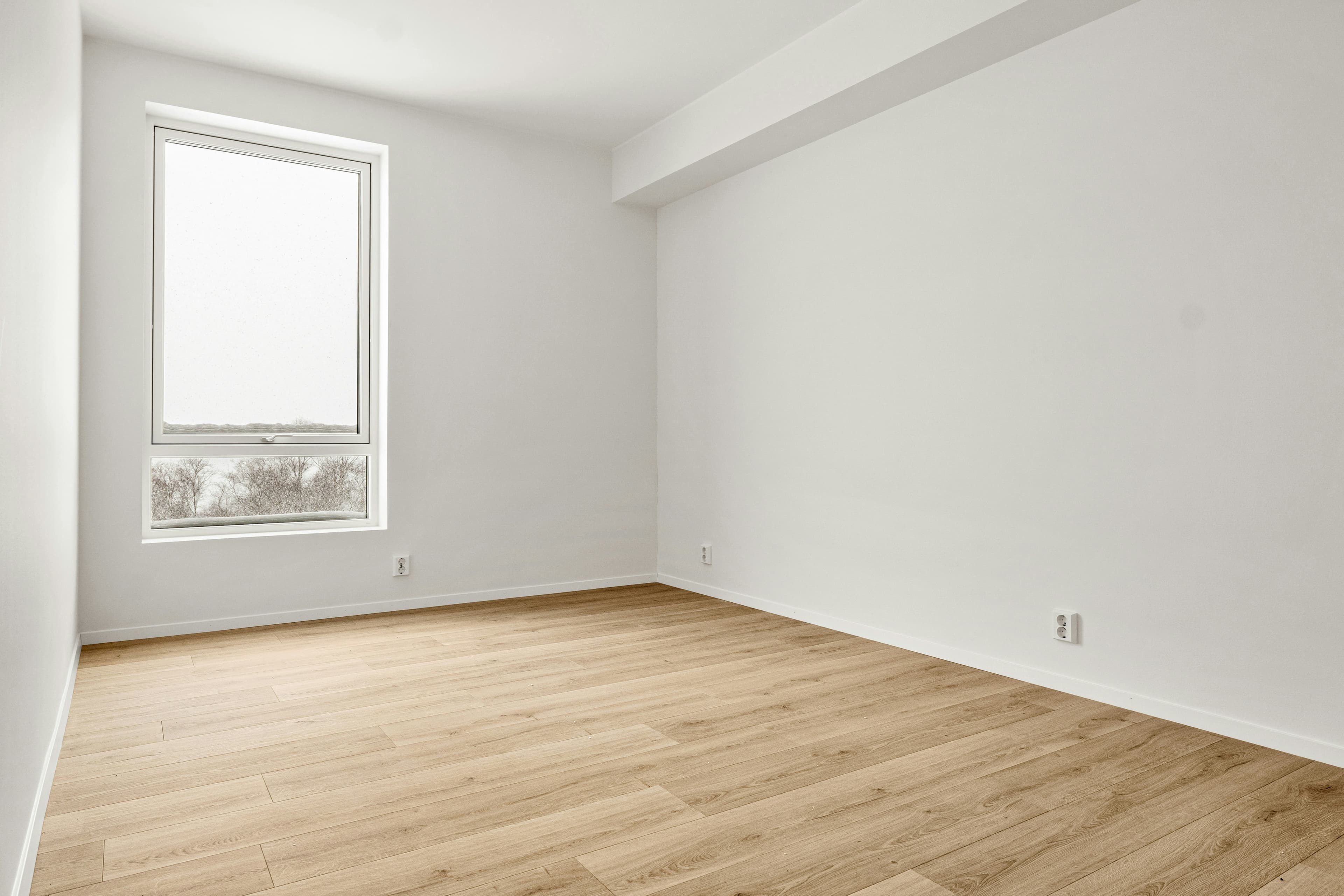
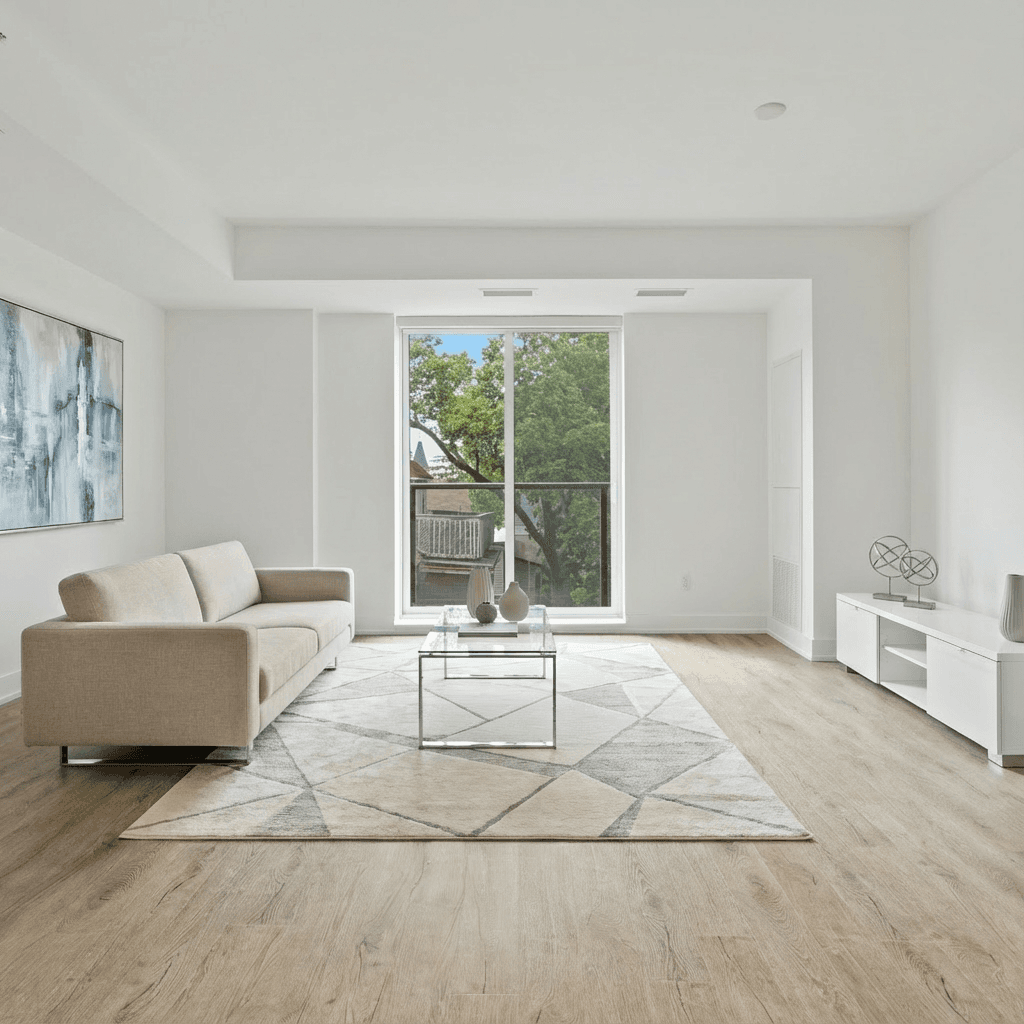
Before and after staging of an empty living room

Empty houses are harder to sell. Buyers struggle to visualize furniture placement, rooms look smaller, and the space feels cold. Here are 7 proven strategies to stage vacant properties and sell them faster.

Why Empty Homes Need Staging

The numbers don't lie:

  • Staged homes sell 73% faster than vacant homes
  • Empty rooms photograph 10-20% smaller than they actually are
  • 93% of staged homes sell for the asking price or above
  • Only 6% of buyers can visualize an empty space as their future home

Whether you choose virtual staging, physical staging, or a combination, some form of staging is essential for vacant properties.

Strategy 1: Virtual Stage All Main Rooms

Virtual staging is the fastest and most cost-effective way to transform empty rooms for listing photos.

What to virtually stage:

Virtual staging tips:

  • Choose a consistent design style across all rooms
  • Match staging to the home's architecture (modern staging for modern homes)
  • Use furniture that shows scale without overwhelming the space
  • Always disclose "Virtually Staged" on MLS photos

With PropScene's AI virtual staging, you can stage all five main rooms for under $50 in less than an hour.

Strategy 2: Deep Clean Before Photography

Empty rooms show every flaw. Before staging or photography:

  • Wash all windows inside and out - natural light is your friend
  • Clean floors thoroughly - hardwood should gleam, carpet should be fresh
  • Wipe down all surfaces - dust shows up in listing photos
  • Clean light fixtures - dusty fixtures look dated
  • Touch up paint - patch nail holes and scuffs

Budget $150-300 for professional deep cleaning. It's one of the highest-ROI investments for vacant listings.

Strategy 3: Stage the Outdoor Spaces

Curb appeal sells. Don't neglect outdoor staging:

  • Front porch: Add a doormat, potted plants, and a small bench or chairs
  • Back patio: Set up an outdoor dining set or lounge furniture
  • Lawn: Fresh mow, edging, and perhaps seasonal flowers
  • Driveway: Pressure wash if stained

Outdoor furniture can be rented affordably, or you can virtually stage patios and porches for listing photos.

Strategy 4: Use Strategic Physical Staging

You don't need to fully stage every room. Strategic physical staging focuses on high-impact areas:

The "Vignette" Approach:

Place small furniture groupings in key spots rather than fully furnishing rooms:

  • Entry: Console table with mirror and lamp ($200-400 to rent)
  • Living room: Sofa, coffee table, rug ($600-1,000 to rent)
  • Primary bedroom: Bed frame, nightstands, lamps ($500-800 to rent)

This "partially staged" approach costs 60-70% less than full staging while still giving buyers anchor points to visualize the space.

Strategy 5: Maximize Natural Light

Empty rooms feel smaller when they're dark. Maximize light by:

  • Opening all blinds and curtains for photography
  • Removing heavy window treatments entirely if they block light
  • Cleaning skylights and light tubes
  • Trimming exterior bushes that block windows
  • Scheduling photography when natural light is best (usually mid-morning)

If the home has dark rooms, add temporary lamps for showings. A few $20 floor lamps from Target can transform a dim space.

Strategy 6: Create Video Content

Video helps buyers understand flow and scale better than photos alone.

  • Walkthrough video: 60-90 second tour showing room connections
  • Virtual staging reels: Before/after transformations for social media
  • Drone footage: Shows lot size and neighborhood context

PropScene can create AI-powered listing reels from your staged photos, giving you scroll-stopping social content without expensive videography.

Strategy 7: Add Lifestyle Touches for Showings

When buyers visit in person, small details make empty spaces feel more inviting:

  • Fresh flowers in the kitchen or entry ($15-30)
  • Rolled towels in bathrooms
  • Coffee table books or a fruit bowl if you have any furniture
  • A subtle scent - fresh linen or light citrus (avoid strong fragrances)
  • Temperature control - comfortable is memorable

These touches cost under $50 total but make the showing experience significantly warmer.

Room-by-Room Staging Guide

Living Room

The living room is usually the largest and most photographed space. Focus on:

  • A sofa that shows scale (not too large for the room)
  • An area rug to define the seating area
  • A coffee table as a focal point
  • Lamps for layered lighting

Primary Bedroom

Buyers want to envision rest and relaxation:

  • A bed frame with clean bedding (or virtually staged bed)
  • Nightstands to show there's room for essentials
  • A small bench or chair if space allows

Kitchen

Kitchens should feel functional and spacious:

  • Clear all countertops completely
  • Add a fruit bowl or cutting board for warmth
  • Stage the breakfast bar with stools if applicable
  • Make sure appliances are spotless

Bathrooms

Clean, spa-like presentation:

  • White or neutral towels, rolled or folded
  • Remove all personal items
  • Add a small plant or candle
  • Make fixtures shine

Home Office

Remote work has made this room essential:

  • A desk and chair show the room's potential
  • Shelving or a bookcase if space permits
  • Good lighting near the desk area

Budget-Friendly Staging Options

Under $100

  • Virtual staging only (PropScene Pro: $20/month)
  • DIY deep clean
  • Borrow furniture from friends/family

$100-500

  • Virtual staging + professional cleaning
  • Outdoor staging with rental furniture
  • Entry vignette with purchased items you keep

$500-2,000

  • Partial physical staging (2-3 rooms)
  • Professional photography with virtual staging
  • Video content creation

$2,000+

  • Full physical staging
  • Professional design consultation
  • High-end photography and videography

Frequently Asked Questions

How much does it cost to stage an empty house?

Virtual staging costs $25-200 for an entire home. Physical staging ranges from $2,000-10,000 depending on size, location, and rental duration.

Is it worth staging a vacant house?

Yes. Data shows staged homes sell 73% faster and often for higher prices. Even basic virtual staging dramatically improves listing performance.

Can I stage a house myself?

Yes. Virtual staging requires no physical effort - just upload photos to a tool like PropScene. For physical staging, you can DIY with rental furniture or borrowed pieces.

How long should staging stay in place?

Virtual staging is permanent in the photos. Physical staging typically stays 30-90 days depending on your rental agreement and market conditions.

Should I stage every room?

No. Focus on main living spaces: living room, primary bedroom, kitchen. Other rooms can remain empty or use minimal staging. Always virtually stage every room for listing photos.

Start Staging Today

Don't let your vacant listing sit empty. Start with virtual staging to transform your listing photos immediately, then add physical touches based on your budget and timeline.

Try PropScene free and see how AI virtual staging can transform your empty house in minutes.

Ready to Try AI Virtual Staging?

Transform empty rooms into beautifully staged photos in minutes. Start free with 6 credits.

Tags:home stagingvacant propertystaging tipsreal estateselling homes
PropScene Team

PropScene Team

The PropScene team helps real estate agents and photographers create stunning virtual staging and marketing content.

Related Articles